LEADERSHIP
His ministry journey has been shaped by a deep commitment to the Christian faith and a strong desire to see the Church established, strengthened, and meaningfully engaged in the lives of people and communities. Over the years, his leadership has been particularly focused on developing local churches, encouraging pastors and ministry workers, nurturing emerging leaders, and extending the ministry of the Church to communities where pastoral presence and spiritual guidance are greatly valued.
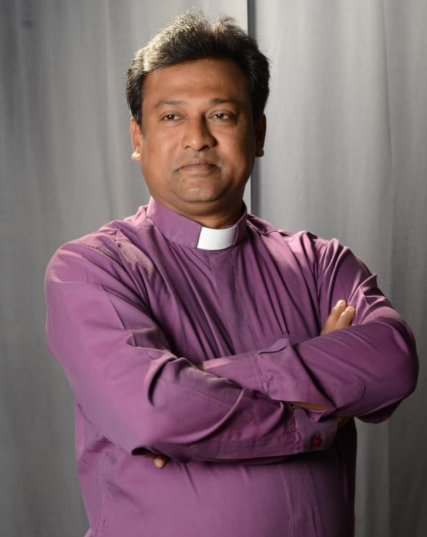
His Leadership :
As Bishop and President of the Diocese, Bishop Dr. Dillip Kumar Bal provides spiritual and administrative leadership while working to strengthen the Unity, Organisation, and Effectiveness of the Diocese. He seeks to encourage pastors, church leaders, congregations, and ministry workers to serve with dedication, integrity, discipline, and accountability.
His Vision :
Bishop Dr. Dillip Kumar Bal envisions a Church that is spiritually strong, well organised, mission-minded, community-oriented, and capable of developing responsible leadership for the future.
His vision includes strengthening the foundation of existing churches, encouraging the establishment and growth of congregations, developing pastors and leaders, engaging young people and families, and creating greater opportunities for Christian services and community developments. He believes that the future of the Church depends upon strong faith, committed leadership, active participation of the congregation, and a continuing investment in the next generation.
His Ministry Among Tribal Communities :
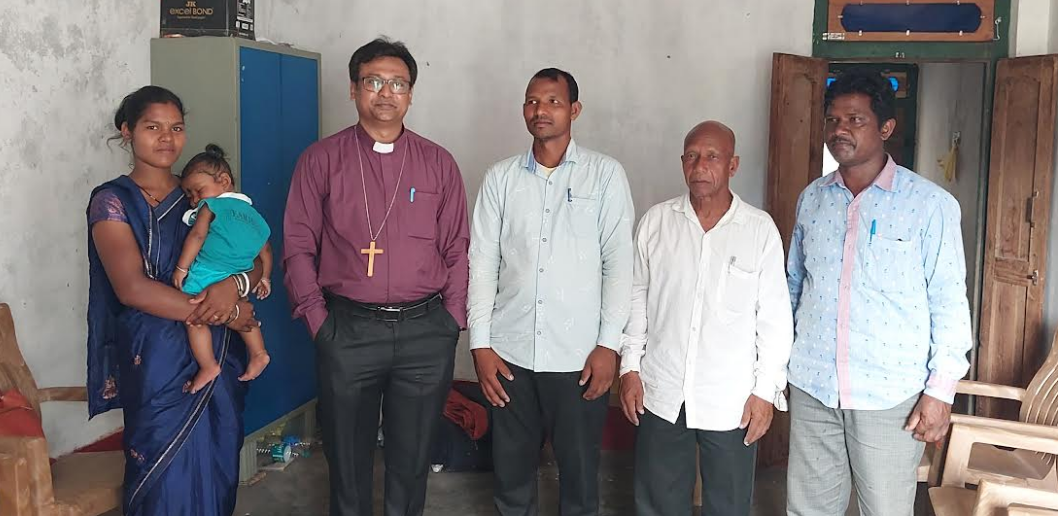
A significant part of Bishop Dr. Dillip Kumar Bal's ministry has been connected with tribal and rural communities. His approach seeks to recognise the dignity, culture, identity, and circumstances of the people while strengthening the presence and ministry of the local Church. He encourages local leaders to remain connected with their communities and to combine pastoral responsibility with practical concern for the well-being of individuals and families.
His Pastoral Heart :
At the centre of Bishop Dr. Dillip Kumar Bal's leadership is a pastoral concern for people. He places importance on prayer, pastoral visitation, encouragement, counselling, fellowship, spiritual formation, and standing with people during important and difficult moments of life. His ministry seeks to encourage people not only to participate in church activities but also to develop a meaningful and responsible Christian life.
Leadership Beyond the Diocese :
Alongside his responsibilities within the Tribal Diocese of Kandhamal, Bishop Dr. Dillip Kumar Bal has also been involved in wider Christian leadership and fellowship initiatives state and nationally. His broader engagement reflects his interest in Cooperation, Unity, Leadership Development, and Constructive Engagement on matters affecting the Christian community.
A Continuing Commitment :
Bishop Dr. Dillip Kumar Bal continues to lead the Tribal Diocese of Kandhamal with a commitment to Faith, Service, Unity, Integrity, Pastoral Care, and Responsible Leadership.
His aspiration is to see a strong and growing network of churches, equipped pastors and leaders, active congregations, empowered young people and families, and a Diocese that continues to serve its communities with compassion and responsibility.
His leadership is centred on one continuing purpose: to strengthen the Church, equip its people, serve communities, and prepare the next generation to carry forward the work of faith and service.
ABOUT OUR DIOCESE & ITS STRUCTURE
The Tribal Diocese of Kandhamal (TDK) is an organised Christian ecclesiastical body rooted in the Evangelical Christian faith. The Diocese serves its churches and communities through a structured system of spiritual leadership, pastoral ministry, administration, and representative bodies. The diocesan structure is designed to promote spiritual growth, effective administration, accountability, unity, pastoral care, leadership development, and coordinated ministry across the Diocese.
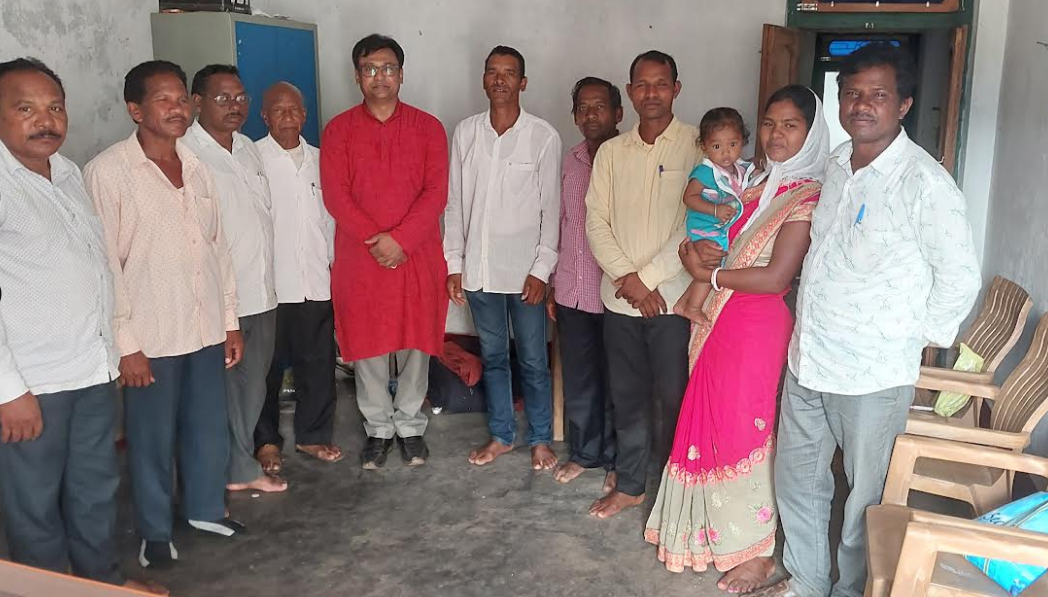
These committees may include areas such as finance, education, missions, evangelism, youth, women, children, social service, pastoral care, construction, development, events, and other responsibilities as determined by the Diocese.
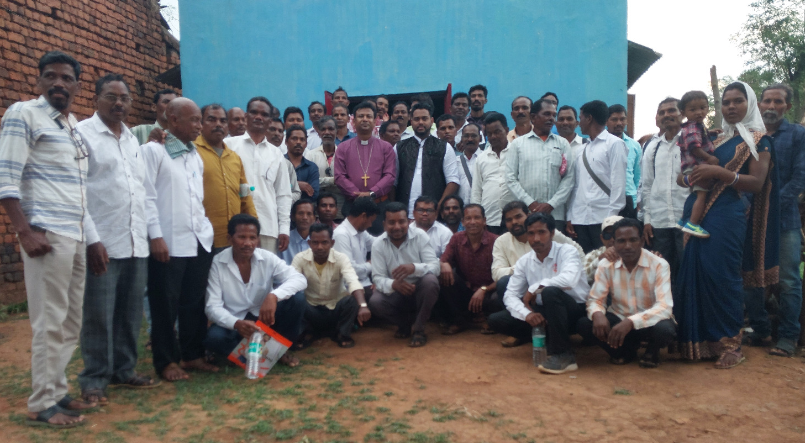
These committees provide a link between local congregations and the wider diocesan structure.
Presibarters
The Diocese may be organised into Presbyterates or regional pastoral areas to facilitate closer supervision, fellowship, communication, and coordination among churches.
Presbyterates provide an intermediate level of pastoral and administrative coordination, helping local churches remain connected with diocesan leadership and supporting pastors and ministry workers within their respective areas.
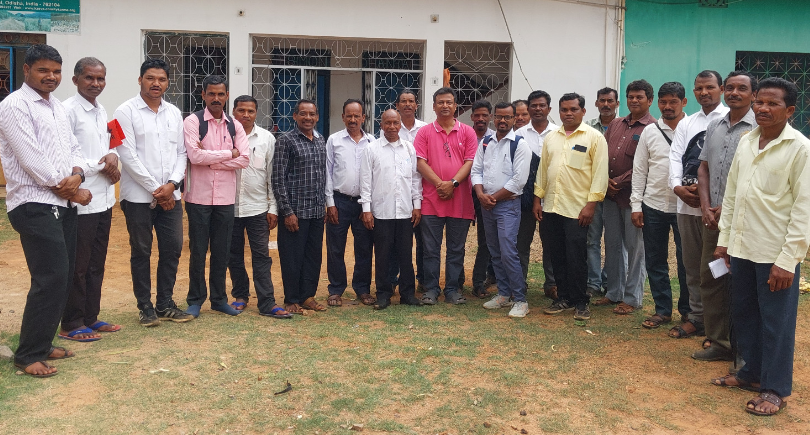
Pastors also work with local leaders and committees in carrying out the activities and responsibilities of their congregations.
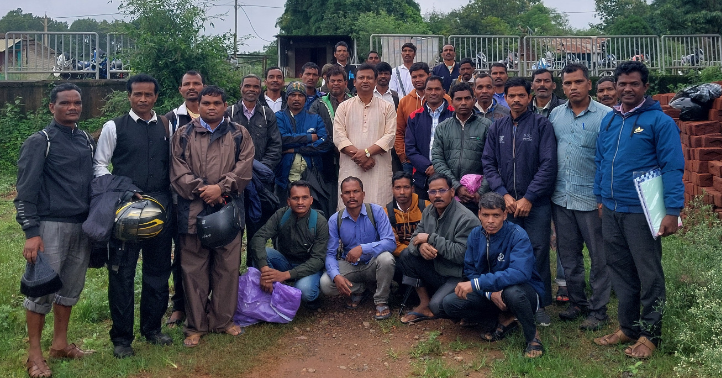
They work in cooperation with pastors and local churches and may serve across different areas according to the needs and assignments of the Diocese.
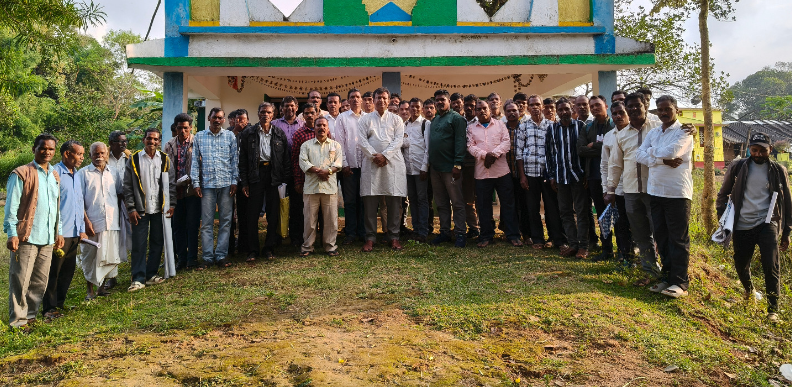
These leaders support the ministry and administration of local churches and help encourage the active participation of members in the life of the Church..
Working Together :
The strength of the Tribal Diocese of Kandhamal lies in the cooperation of its different levels of leadership. The Bishop, Governing Body, committees, Presbyterates, pastors, evangelists, and other leaders work together to maintain unity, strengthen local churches, develop responsible leadership, and advance the ministry of the Diocese.
This structure enables the Diocese to combine spiritual leadership with responsible administration, while ensuring that ministry remains connected to the needs of local congregations and communities.